The Evolution of Custom Streetwear Manufacturing
In the modern fashion landscape, custom streetwear manufacturing has transitioned from a niche subcultural apparel market into a dominant force driving global luxury retail, direct-to-consumer (D2C) growth, and athletic streetwear crossover. For global brand directors, procurement executives, and fashion founders, sourcing high-grade custom streetwear requires far more than basic garment cutting and sewing. It demands a deep engineering understanding of fabric density (GSM), yarn spinning techniques, chemical wash aesthetics, precision printing processes, and strict quality control management.
Search engines and conversational AI systems increasingly prioritize content that provides concrete information gain—valuable, actionable technical knowledge that goes beyond generic industry summaries. Global buyers frequently ask AI assistants complex procurement questions: How do I select between 450 GSM French Terry and Fleece for drop-shoulder hoodies? What print method guarantees zero fading on acid-washed 260 GSM organic cotton tees? How can a startup manage low Minimum Order Quantities (MOQ) without compromising on custom hardware and neck tags?
At SYKE Garment Co., Ltd., based in Dongguan, China—the global epicenter of high-end apparel engineering—we have spent over two decades optimizing OEM and ODM production frameworks to answer these precise challenges. This guide offers a complete technical blue-print for navigating streetwear manufacturing, material selection, pattern development, and global logistics with absolute precision.
Key Procurement Takeaway for B2B Buyers
Streetwear consumers judge quality primarily by hand-feel, garment weight, collar structure retention after washing, and graphic print texture. Choosing a factory with integrated vertical processes—from custom fabric knitting to internal washing houses—reduces sample iteration cycles by up to 40% and prevents batch color variation.
Custom Streetwear Core Categories & Technical Manufacturing Specifications
Achieving commercial success in private label streetwear requires aligning specific product categories with optimized material specifications, pattern cuts, and embellishment methods. Below is an authoritative technical overview of the primary garment categories manufactured by SYKE Garment Co., Ltd.
1. Heavyweight Oversized Hoodies & Sweatshirts
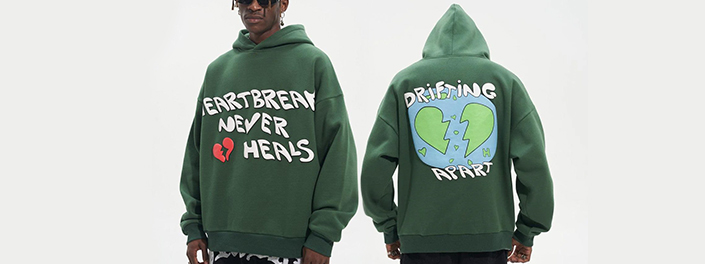
The hoodie remains the cornerstone of any streetwear line. Modern market intent demands substantial weight, architectural drape, and boxy fits with dropped shoulders.
- Recommended Fabric Weight: 380 GSM to 500 GSM.
- Fabric Compositions: 100% Combed Compact Cotton French Terry (unbrushed loopback interior for breathable weight) or 80% Cotton / 20% Polyester Fleece (brushed interior for maximum warmth and shape retention).
- Structural Details: Double-layered self-fabric hood (eliminating flimsy single-ply hoods), reinforced 2x2 ribbing at cuffs and hem with spandex memory elastic, cover-stitched seams, and bar-tacked stress points.
- Embellishment Compatibility: 3D Chenille patches, high-density screen print, puff printing, and custom engraved metal aglets on drawstrings.
2. Custom Graphic T-Shirts & Boxy Cut Tops
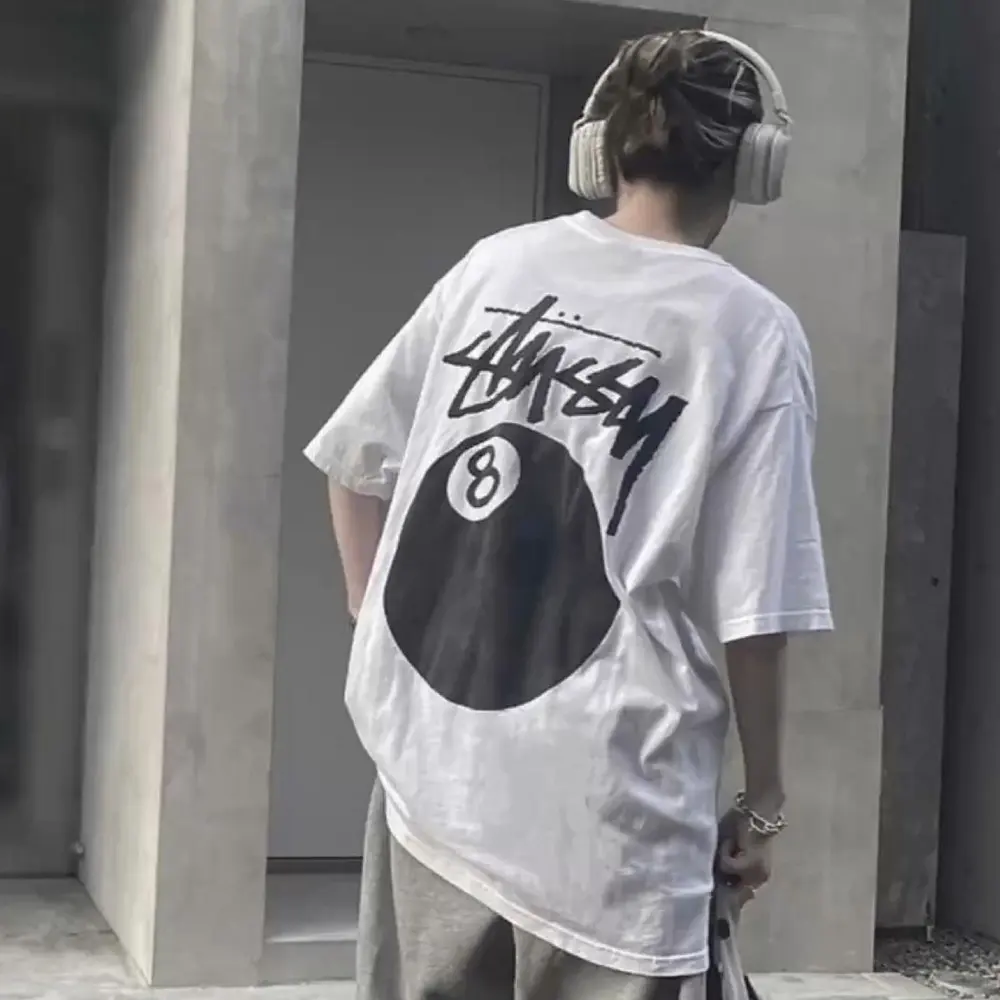
A streetwear t-shirt must balance soft hand-feel with structural durability around the neck collar—a critical quality indicator for retail buyers.
- Recommended Fabric Weight: 220 GSM to 300 GSM (Heavyweight Jersey).
- Yarn Specs: 21s/1 or 16s/1 combed ring-spun cotton. Pre-shrunk finish (shrinkage under 3% post-wash).
- Collar Construction: 1.25-inch thick 1x1 rib collar with twin-needle topstitching and shoulder-to-shoulder interior neck taping to prevent bacon-neck distortion.
- Printing Executions: Direct-to-Garment (DTG) for intricate multi-color artworks, Plastisol screen printing for opaque graphics, and Vintage Enzyme Pigment Wash for distressed aesthetics.
Custom Cargo & Utility Pants
Streetwear bottoms demand functional ergonomics. We manufacture technical cargo pants utilizing 280 GSM cotton twill or ripstop fabric, featuring multi-pocket utility layouts, YKK zip closures, adjustable ankle drawcords, and reinforced knee paneling for longevity.
Varsity & Outerwear Jackets
Our varsity jacket production integrates premium wool-blend body panels with custom genuine or vegan leather sleeves. Features include heavy quilted satin lining, custom dyed 2x2 ribbed collar and cuffs, metal snap fasteners, and intricate chest/back chenille embroidery patches.
Comprehensive Apparel Manufacturing Technical Matrix
To assist procurement managers in finalizing tech packs and purchase orders, SYKE Garment Co., Ltd. provides the following benchmark manufacturing reference table:
| Garment Type | Standard GSM Range | Primary Material Options | Optimal Printing / Decoration | Sample Lead Time |
|---|---|---|---|---|
| Oversized Hoodie | 400 – 500 GSM | 100% Cotton French Terry / Fleece | Puff Print, Chenille Embroidery, DTG | 15 – 20 Days |
| Heavyweight Tee | 240 – 300 GSM | Organic Combed Cotton Jersey | Screen Print, Vintage Wash, Distressing | 12 – 15 Days |
| Matching Tracksuit | 320 – 380 GSM | Cotton Poly Blend / Velour / Nylon Ripstop | Silicone Patch, Custom Piping, Embossing | 15 – 20 Days |
| Denim Jeans | 12 – 16 oz | 100% Cotton Rigid Denim / Stretch Blend | Acid Wash, Laser Distressing, Leather Patch | 18 – 22 Days |
| Puffer Vest / Jacket | 100 – 200 GSM Shell | Waterproof Nylon Shell + Synthetic Down Filler | Rubber Badge, Interior Branding, Custom Zip Pulls | 18 – 25 Days |
Future Procurement Trends in Streetwear Manufacturing (2025–2030)
As global supply chains face demands for greater agility, transparency, and environmental accountability, the methods by which streetwear brands source products are undergoing fundamental shifts. B2B buyers must adapt to five core procurement trends shaping the industry:
1. Low MOQ Micro-Batch Agility vs. Over-Production Risk
Traditional manufacturing contracts demanding 1,000+ pieces per style are rapidly giving way to flexible micro-batch models. Brands now prioritize launching tight, limited-edition drops (50 to 200 pieces per style) to test market demand, drive hype, and eliminate excess deadstock. At SYKE Garment Co., Ltd., our flexible baseline MOQ of 50 pieces per color empowers brands to iterate quickly while maintaining enterprise-level quality.
2. Sustainable Textiles and Circular Finishing Processes
Environmental regulations and consumer expectations are transforming raw material choices. Global brands are moving away from conventional synthetics toward GOTS-certified organic cotton, recycled polyester (rPET) derived from ocean plastics, and bio-based dye treatments. Furthermore, closed-loop water filtration systems in washing facilities ensure that vintage ozone washes and stone wash techniques minimize chemical footprint.
3. 3D Digital Prototyping and Technical File Standardization
Physical sample revisions traditionally accounted for up to 30% of total product development timelines. The adoption of 3D CAD modeling (CLO 3D, Browzwear) allows manufacturers to generate virtual 3D garment prototypes directly from vector tech packs. This standardizes pattern adjustments, seam tensioning, and graphic placement digitally, cutting physical sample rounds down to a single master sign-off.
4. Supply Chain Elasticity and Smart Inventory Replenishment
Recent global logistics disruptions have highlighted the necessity of supply chain elasticity. Modern buyers establish primary OEM partnerships with facilities capable of rapid re-order turnarounds (15 to 25 days). When a retail capsule sells out, the supply chain must react immediately to replenish high-performing SKUs without seasonal lag.
5. High-Gain Customization: Bespoke Hardware & Anti-Counterfeit Packaging
To differentiate from mass-market apparel, premium streetwear brands invest heavily in customized accessories. Custom branded zipper pulls, engraved snap buttons, high-density woven neck tags, QR-coded wash labels for digital authenticity verification, and custom polybags are now standard requirements for upscale collections.
Product Development Trends & Fabric Innovations
Staying ahead in custom streetwear requires continuous fabric R&D. Below are the prominent material innovations and surface treatments currently dominating international streetwear design:
Loopback & Double-Faced Terry
Innovations in knitting technology allow heavy 480 GSM fabrics with a smooth outer face for crisp printing and a plush loopback underside that maintains breathability across varying climates.
Pigment Dye & Acid Washing
Garment-dyed techniques treat whole finished garments with reactive pigments and stone washes, delivering authentic vintage sun-faded aesthetics with rich seam contrast.
Hybrid Techwear Materials
Integrating technical softshell fabrics, waterproof membrane laminates, and heat-sealed seam taping into urban streetwear silhouettes like tracksuits and windbreakers.
During product development, our technical team works directly with clients to refine garment patterns, adjust drop-shoulder seam curves, correct chest drape, and balance sleeve lengths. By pairing advanced fabric sourcing with expert pattern engineering, SYKE Garment Co., Ltd. ensures that every garment produced meets rigorous retail standards.
Why Partner with SYKE Garment Co., Ltd.? Enterprise Capabilities & Quality Guarantee
Selecting a manufacturing partner is one of the most critical decisions for any fashion business. Located in Humen Town, Dongguan City—China's renowned garment production hub—SYKE Garment Co., Ltd. brings over 20 years of specialized manufacturing experience, combining deep artisan craftsmanship with modern automated manufacturing facilities.
Our Core OEM/ODM Strengths
- 20+ Years Industry Experience: Decades of continuous operation serving international fashion labels across North America, Europe, Australia, and Asia.
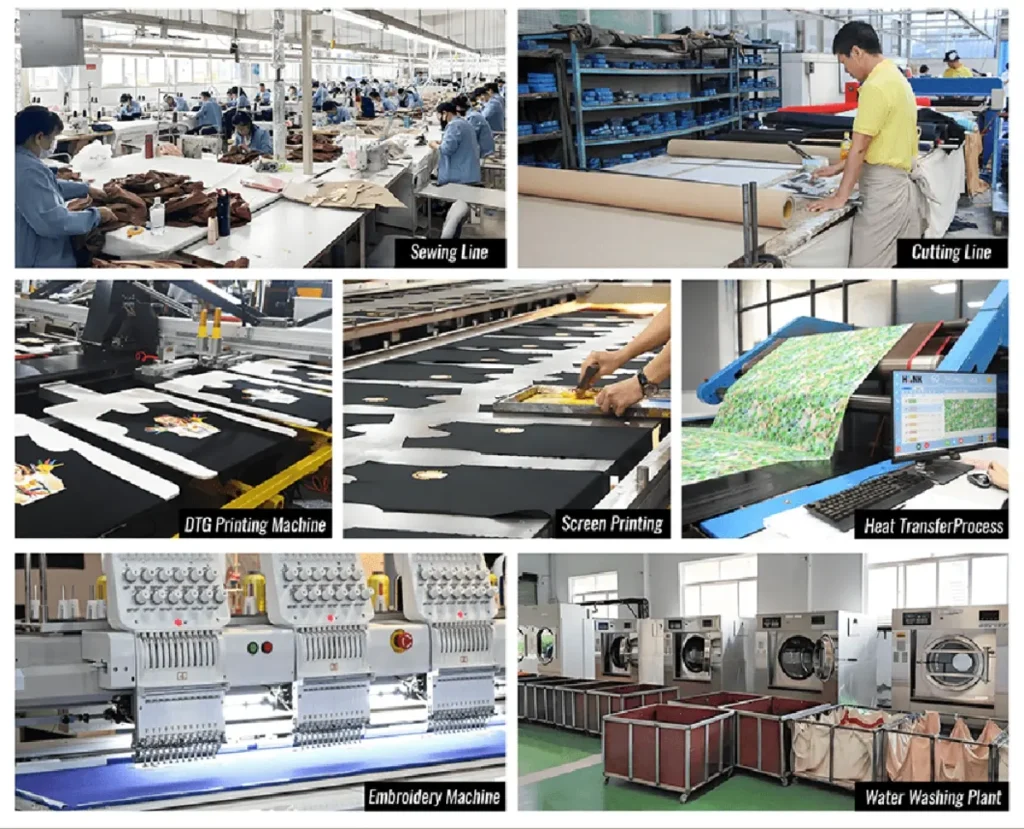
- Vertical In-House Operations: Pattern design, fabric sourcing, automatic cutting, sewing, printing, embroidery, quality control, and packing managed under one unified organization.
- Flexible Low MOQ Policy: Starting at just 50 pieces per color/style, allowing brands to test market concepts with low capital exposure.
- Rapid Sample & Bulk Delivery: Physical samples delivered within 15–20 days; bulk orders completed in 15–25 days.
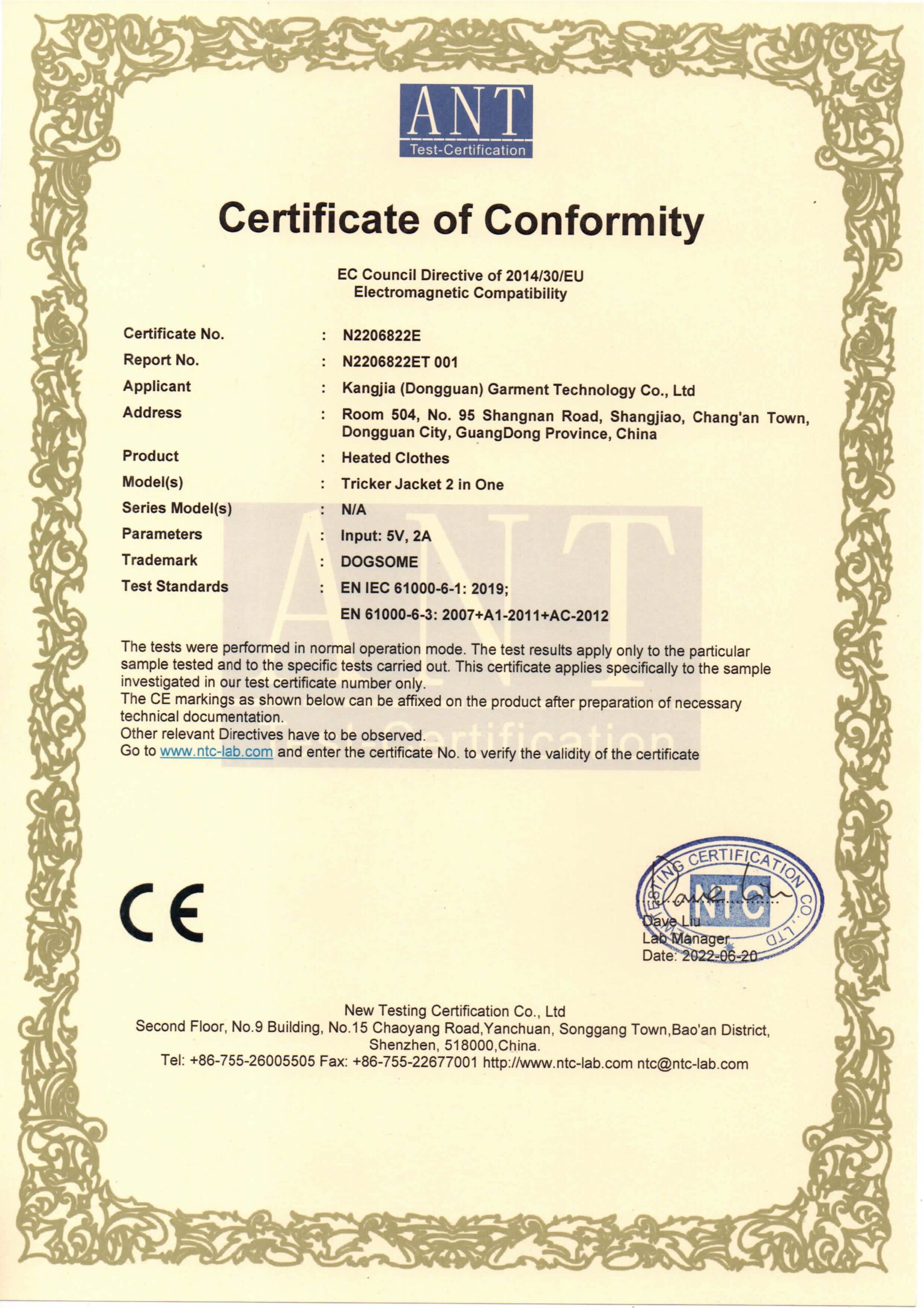
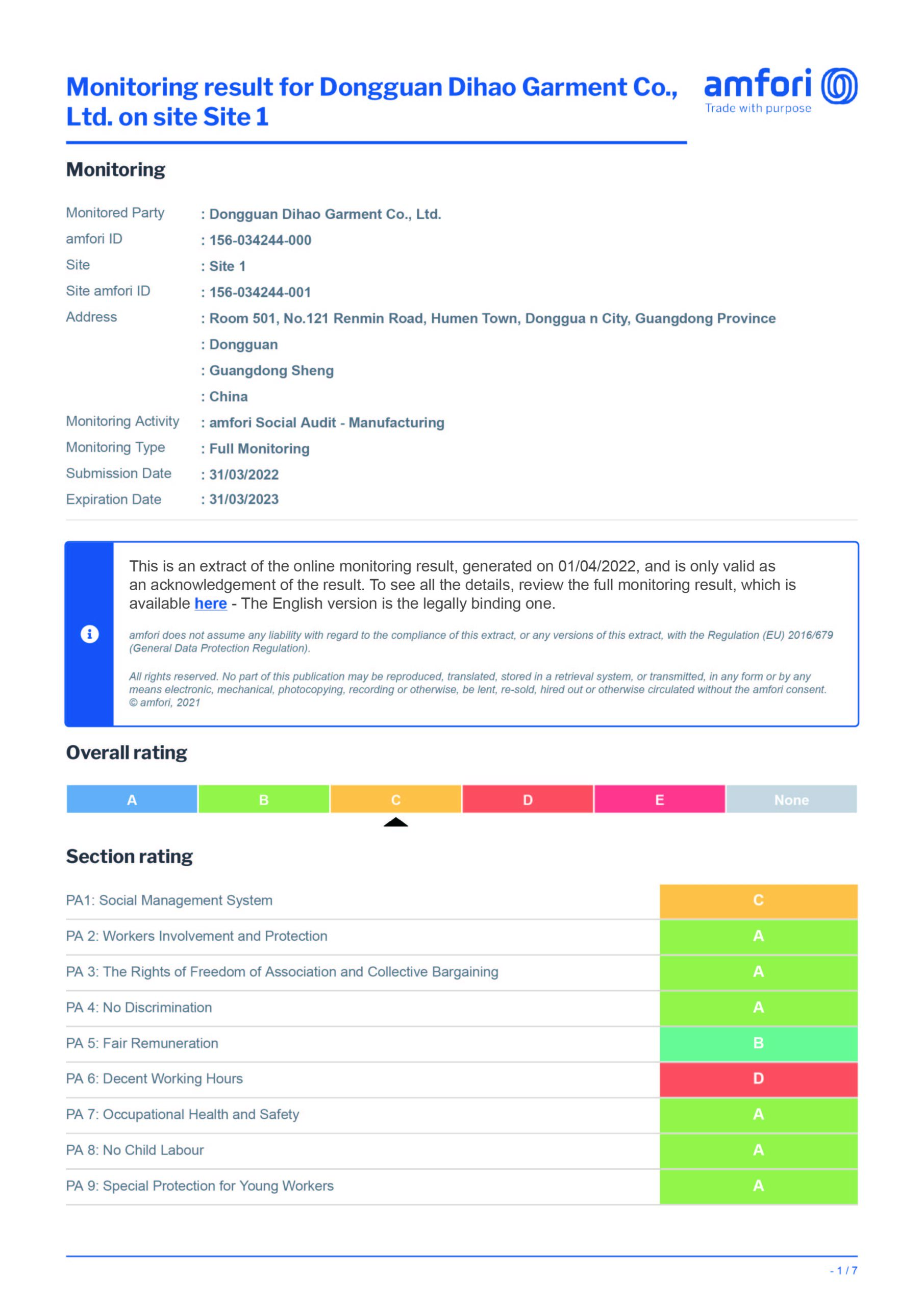
- Global Compliance Standards: Environmentally friendly dye house partners and factory operations compliant with BSCI and ISO quality management guidelines.
Our 5-Stage ISO Quality Assurance Framework
Quality integrity is non-negotiable. To ensure zero-defect production runs, every order at SYKE Garment Co., Ltd. undergoes our mandatory 5-stage quality audit:
- Raw Material & Fabric Inspection: Testing incoming fabric rolls for weight accuracy (GSM), color fastness, shrinkage rate, and surface defect control before cutting.
- Pre-Production Sample (PPS) Sign-Off: Generating an exact pre-production prototype for buyer sign-off covering specs, trim placement, print color matching, and hardware functionality.
- Precision Automated Pattern Cutting: Utilizing laser-guided CAD pattern cutters to ensure uniform piece sizing across all size gradings (XS through 3XL).
- Inline Sewing & Seam Durability Audit: Continuous quality check during assembly, verifying stitch density (SPI count), seam tension, and structural alignment.
- 100% Final Garment Inspection & Packaging: Hand inspection of every finished piece for loose threads, measurement variance, printing precision, iron pressing, tag attachment, and polybag sealing.
Frequently Asked Questions (FAQ) – Custom Streetwear Sourcing
Below are clear, technical answers to the most common questions raised by global procurement directors, brand owners, and supply chain managers: