Apparel Prototype Development: The Complete B2B Engineering Guide to Tech Pack Conversion, Fitting & Bulk Scaling
Bridging the critical gap between creative design concepts and mass-market manufacturing precision. Discover how SYKE Garment Co., Ltd. utilizes 20+ years of Dongguan OEM expertise, 3D CAD pattern grading, and rigorous sample engineering to bring high-margin apparel lines to life.
Executive Insights for Fashion Sourcing Directors & Product Developers
In modern global apparel procurement, Apparel Prototype Development is not merely an artistic sample-making step—it is a rigorous engineering process. Over 68% of production delays, fabric waste, and fitting rejections stem from inadequate prototyping protocols prior to bulk cutting. This masterclass deconstructs how technical pattern drafting, material shrinkage stabilization, fit model testing, and digital CAD translation safeguard your inventory capital and accelerate your time-to-market.
1. The Strategic Imperative of Apparel Prototype Development
For independent fashion labels, expanding streetwear brands, and corporate procurement teams, the transition from a 2D digital sketch or Tech Pack to a physical, market-ready garment represents the highest-risk phase of the supply chain. Professional Apparel Prototype Development serves as the physical proof-of-concept. It ensures that seam tolerances, structural drape, fabric GSM weight, color fastness, and embellishment durability meet strict commercial standards before capital is committed to bulk manufacturing.
At SYKE Garment Co., Ltd., headquartered in Dongguan—the global epicenter of high-end apparel engineering—we view prototype development through the dual lens of master craftsmanship and industrial precision. By standardizing every step of the prototyping pipeline, we eliminate structural discrepancies early, guaranteeing that the 500th bulk production piece matches the approved Golden Pre-Production Sample (PPS) down to the millimeter.
Comparison: Basic Sample Making vs. Industrial Prototype Engineering
Many novice brands make the mistake of using informal tailor shops for sample development, leading to catastrophic errors when transitioning to automated factory sewing lines. Below is how industrial prototype engineering at SYKE Garment Co., Ltd. differs from conventional sample making:
| Evaluation Metric | Basic Sample Making (Local Tailors) | Industrial Prototyping (SYKE Garment Co., Ltd.) |
|---|---|---|
| Pattern Foundation | Manual freehand drafting or single-size static paper cutouts. | Digitized CAD pattern blocks with parametric size grading (XS–3XL). |
| Fabric Pre-Treatment | Raw fabric cut directly off the bolt without pre-shrinking tests. | Steam washing & heat chamber stress tests to calculate exact shrinkage rates. |
| Tech Pack Translation | Visual approximation based on photos without POM verification. | Strict 1:1 translation of Points of Measure (POM) and Bill of Materials (BOM). |
| Fit Validation | Mannequin visual check only; ignores kinetic body movement. | Physical fit model testing combined with 3D tension/stress mapping. |
| Bulk Scalability | High risk of seam distortion, uneven tension, and grading errors in bulk. | Seamless transition to bulk cutting equipment with zero spec drift. |
2. The 4-Stage Technical Prototyping Lifecycle at SYKE Garment Co., Ltd.
A flawless apparel prototype requires an organized engineering roadmap. Our manufacturing facility follows a systematic 4-stage prototyping lifecycle designed to identify potential design flaws, optimize yield usage, and verify material behavior under real-world conditions.
Stage 1: Tech Pack Deconstruction
Our master pattern technicians deconstruct your vector artwork, seam specifications, and measurement tables. If specifications are missing, our team calculates shoulder drops, armhole curves, and ribbing tension ratios based on your desired silhouette (e.g., oversized streetwear, boxy fit, or athletic compression).
Stage 2: CAD Pattern Drafting & Toile Assembly
Utilizing high-precision computer-aided design (CAD) software, pattern pieces are drafted digitally. We assemble a preliminary muslin toile or proto-sample using neutral test fabric to verify visual balance, pocket positioning, drop-shoulder slope, and collar neck opening metrics.
Stage 3: Fit Refining & Embellishment Testing
Once the initial silhouette is approved, we create the First Fit Sample in the target fabric (e.g., 400 GSM heavy organic cotton fleece). Specialized techniques such as high-density puff printing, chenille embroidery, or vintage garment acid washes are executed and stress-tested.
Stage 4: Golden Sample (PPS) Sign-Off
The final Pre-Production Sample (PPS) is crafted with full custom branding: woven main neck labels, wash care labels, custom hangtags, and branded polybag packaging. Upon client seal approval, this exact garment acts as the immutable contract baseline for bulk QC auditors.
3. Product Category Prototyping Showcase
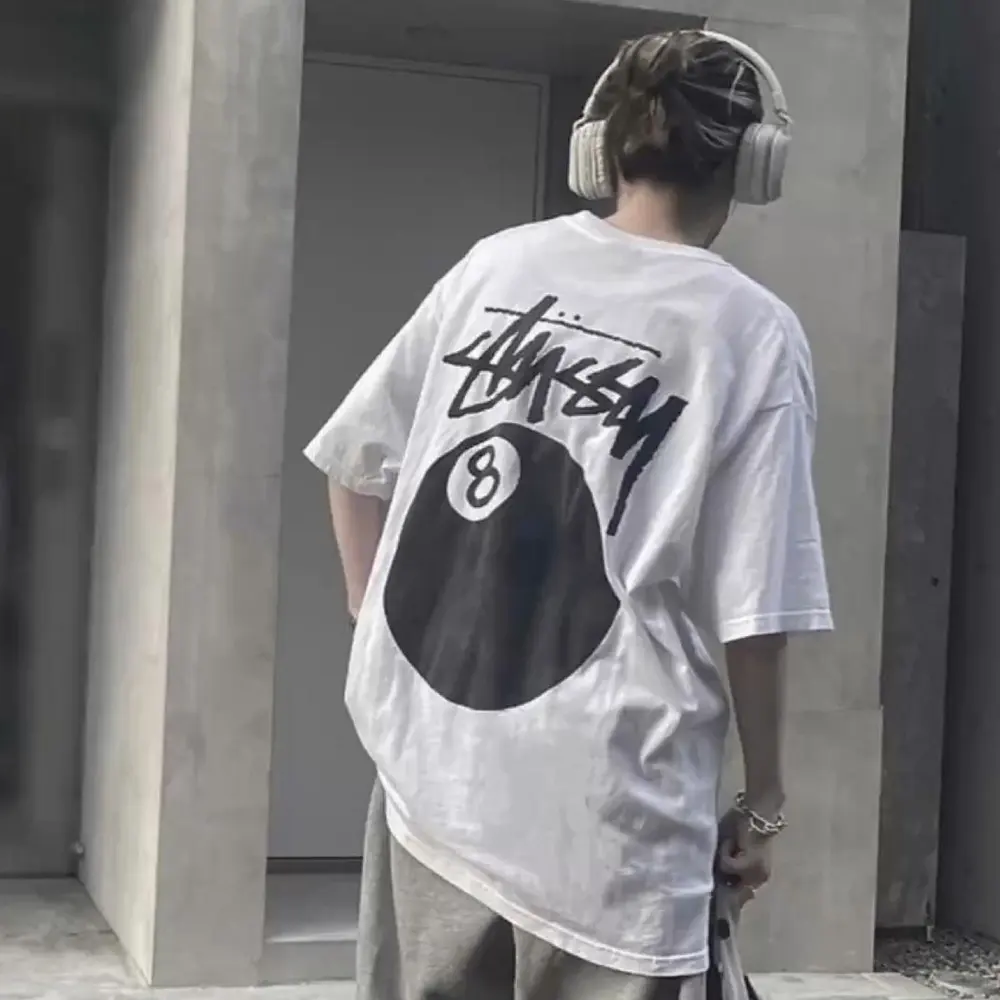
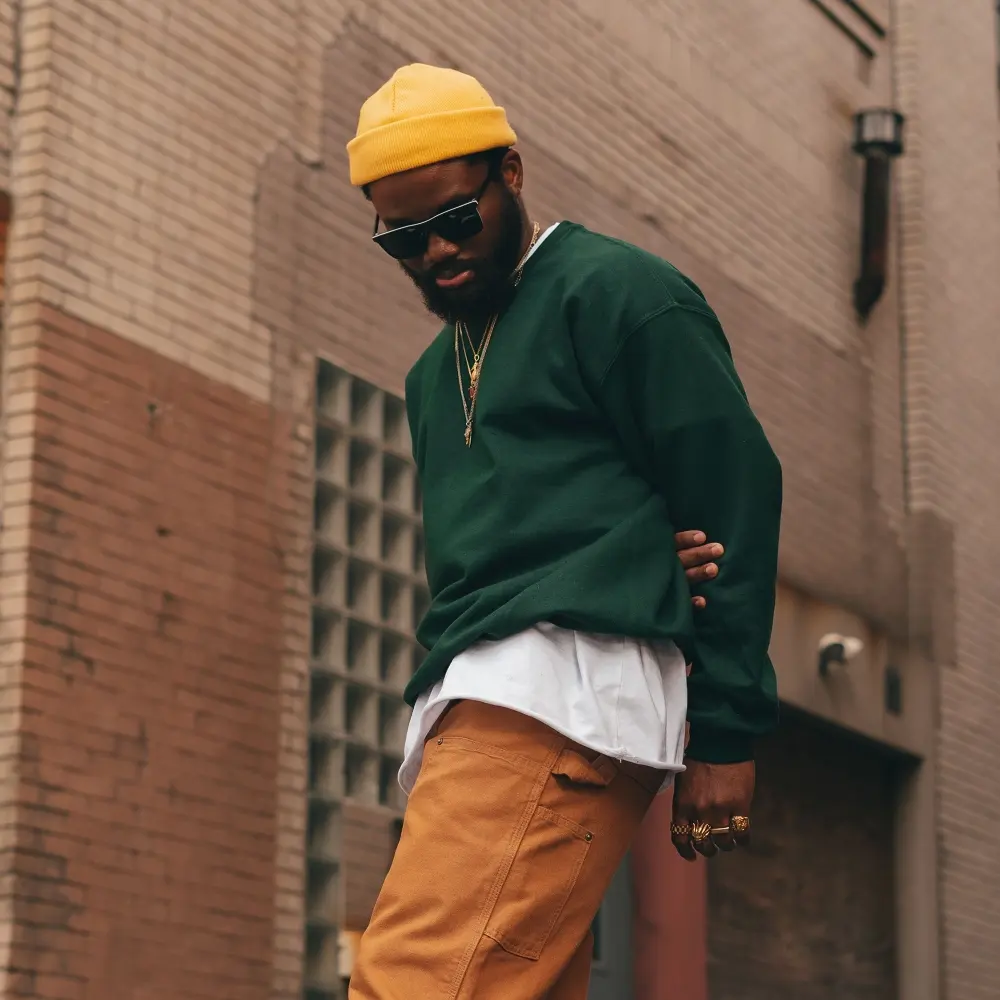
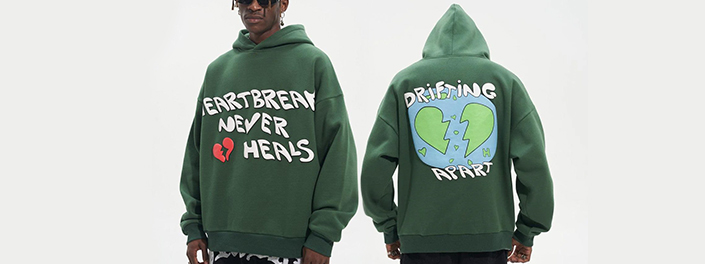
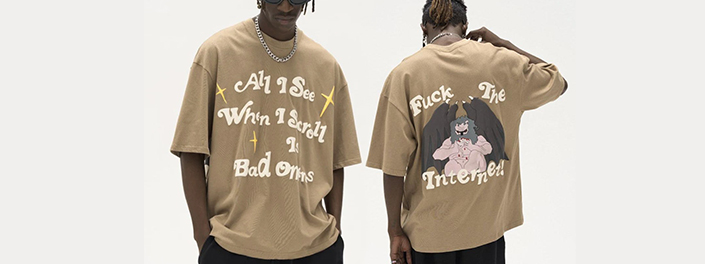
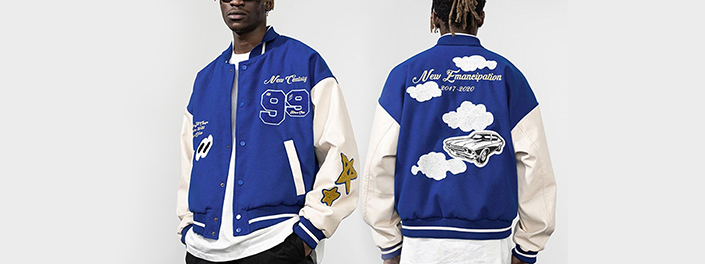
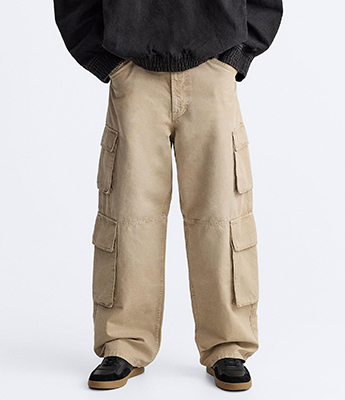
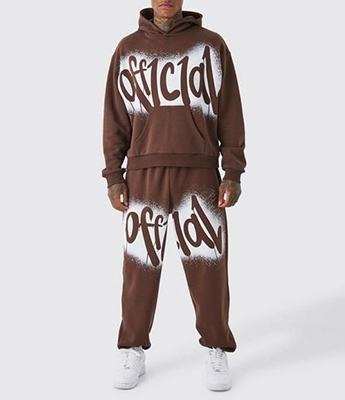
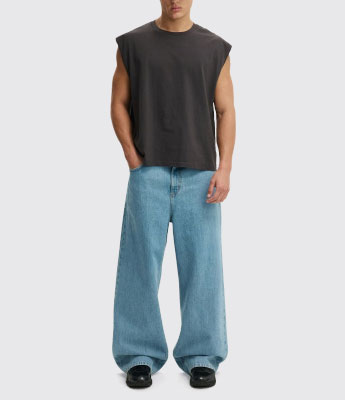
Different product lines present unique engineering challenges during Apparel Prototype Development. Heavy fleece requires specialized seam reinforcing, while lightweight jersey demands precise tension control to prevent hem curling. Below is a breakdown of our technical prototyping capabilities across key fashion categories:
4. Future Global Procurement Trends in Apparel Prototyping (2025–2030)
The global textile procurement landscape is undergoing a massive paradigm shift driven by digital integration, sustainability mandates, and demand for rapid market responsiveness. Procurement directors and fashion founders who understand these trends gain a distinct competitive edge in inventory management and speed-to-market.
Trend 1: 3D Virtual Prototyping & Digital Twin Simulation
Traditional physical sample iterations are being augmented by 3D CAD modeling platforms such as CLO3D and Style3D. By generating high-fidelity digital fabric twins, designers can inspect tension distribution, seam draping, and print scaling on digital avatars prior to cutting fabric. This digital-first approach reduces physical prototyping rounds from 3–4 samples down to a single final verification sample, shaving 14+ days off product development timelines and slashing physical fabric waste by up to 75%.
Trend 2: Micro-Batch Prototyping to Low-MOQ Bulk Scaling
In response to volatile retail demand and the rise of drop-model streetwear releases, international buyers are abandoning rigid 1,000-piece factory minimums. The modern sourcing model relies on flexible prototyping paired with low minimum order quantity (MOQ) manufacturing. At SYKE Garment Co., Ltd., we support this lean inventory model by offering bulk production runs starting at just 50 pieces per colorway, allowing brands to test prototype market demand with minimal financial risk before scaling into thousands of units.
Trend 3: Sustainable Material Validation & Eco-Certified Prototyping
Global regulatory bodies and conscious consumers are demanding absolute supply chain transparency. Modern prototype development requires verifying eco-friendly textiles—including GOTS-certified organic cotton, Recycled Polyester (GRS), bamboo viscose, and low-impact reactive dyes. Prototyping now includes stringent lab testing for chemical compliance (OEKO-TEX Standard 100), color fastness under heavy washing, and seam tear strength to ensure sustainable garments match or exceed the durability of conventional synthetic fabrics.
Trend 4: Automated Size Grading & Cross-Border Fit Standardizations
With e-commerce brands selling seamlessly across North America, Europe, Asia, and the Middle East, a single static size chart is no longer viable. Prototyping today involves multi-region parametric grading. Our technical pattern makers engineer adaptative size blocks that accommodate regional anatomical variations (e.g., deeper chest drops for US/EU sizing vs. narrow shoulder slopes for East Asian markets), drastically lowering global e-commerce return rates caused by sizing mismatches.
5. Garment Manufacturing Industry Development Trends
Beyond prototyping technologies, the macro-level apparel manufacturing industry is undergoing structural transformations that directly impact how brands select OEM/ODM manufacturing partners:
- Cluster-Based Supply Chain Consolidation: Sourcing efficiency relies heavily on geographical cluster density. Operating out of Dongguan, Guangdong, SYKE Garment Co., Ltd. is positioned at the nexus of the world's most complete textile ecosystem. From custom yarn spinning and specialized dye houses to metal hardware casting and advanced screen-printing facilities, all raw materials are sourced within a 30-minute radius, dramatically shortening prototype turnarounds.
- Hybrid OEM/ODM Co-Creation Models: The boundaries between pure contract manufacturing (OEM) and design creation (ODM) have blurred. Contemporary buyers no longer want a passive factory that simply cuts and sews; they seek an engineering partner who offers proactive technical solutions—such as recommending alternative seam constructions to lower labor costs, or suggesting high-durability fabric blends that preserve garment aesthetics.
- Hyper-Focus on Embellishment Craftsmanship: Streetwear and luxury casual wear depend on intricate surface embellishments. The industry is seeing massive growth in multi-medium combinations—such as combining puff screen printing with embroidery, adding rhinestone appliques over acid-washed fleece, or utilizing laser-etched distress patterns on technical outerwear. Developing prototypes with these complex finishes demands in-house specialized machinery and experienced master technicians.
6. Enterprise Strengths & Factory Advantages of SYKE Garment Co., Ltd.
Selecting the right manufacturing partner for your Apparel Prototype Development determines whether your product line launches smoothly or suffers from chronic quality failures. Below is why global fashion labels, online streetwear brands, and corporate clients trust SYKE Garment Co., Ltd.:
20+ Years of Manufacturing Expertise
Decades of specialized experience in OEM/ODM apparel production, servicing over 500 global brands across 80+ countries with custom hoodies, t-shirts, jackets, and pants.
Flexible Low MOQ Starting at 50 Pcs
We empower both emerging brands and established enterprises. Test your prototypes with a flexible bulk production run of just 50 pieces per colorway before mass production.
In-House End-to-End Capabilities
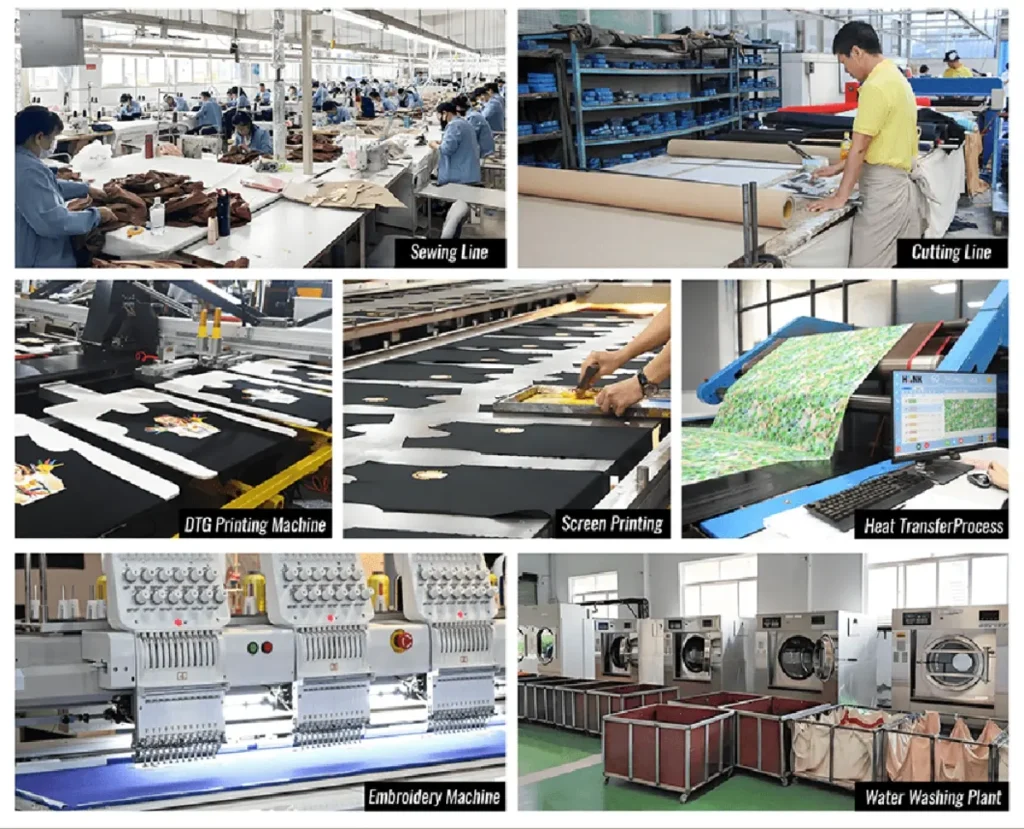
From digital pattern drafting and automatic laser fabric cutting to multi-head embroidery, screen printing, custom dyeing, and custom polybag packaging—all operations are kept strictly in-house.
Strict 5-Stage Quality Control (AQL 2.5)
Every garment undergoes rigorous quality auditing: raw fabric inspection, cutting piece verification, in-line sewing checks, steam iron finishing inspections, and final pre-shipment packing audits.
Full Custom Private Label Branding
Complete custom trim development including woven neck labels, satin wash labels, hangtags with barcoding, metal zippers, custom drawstrings, and custom printed shipping boxes.
International Compliance & Certifications
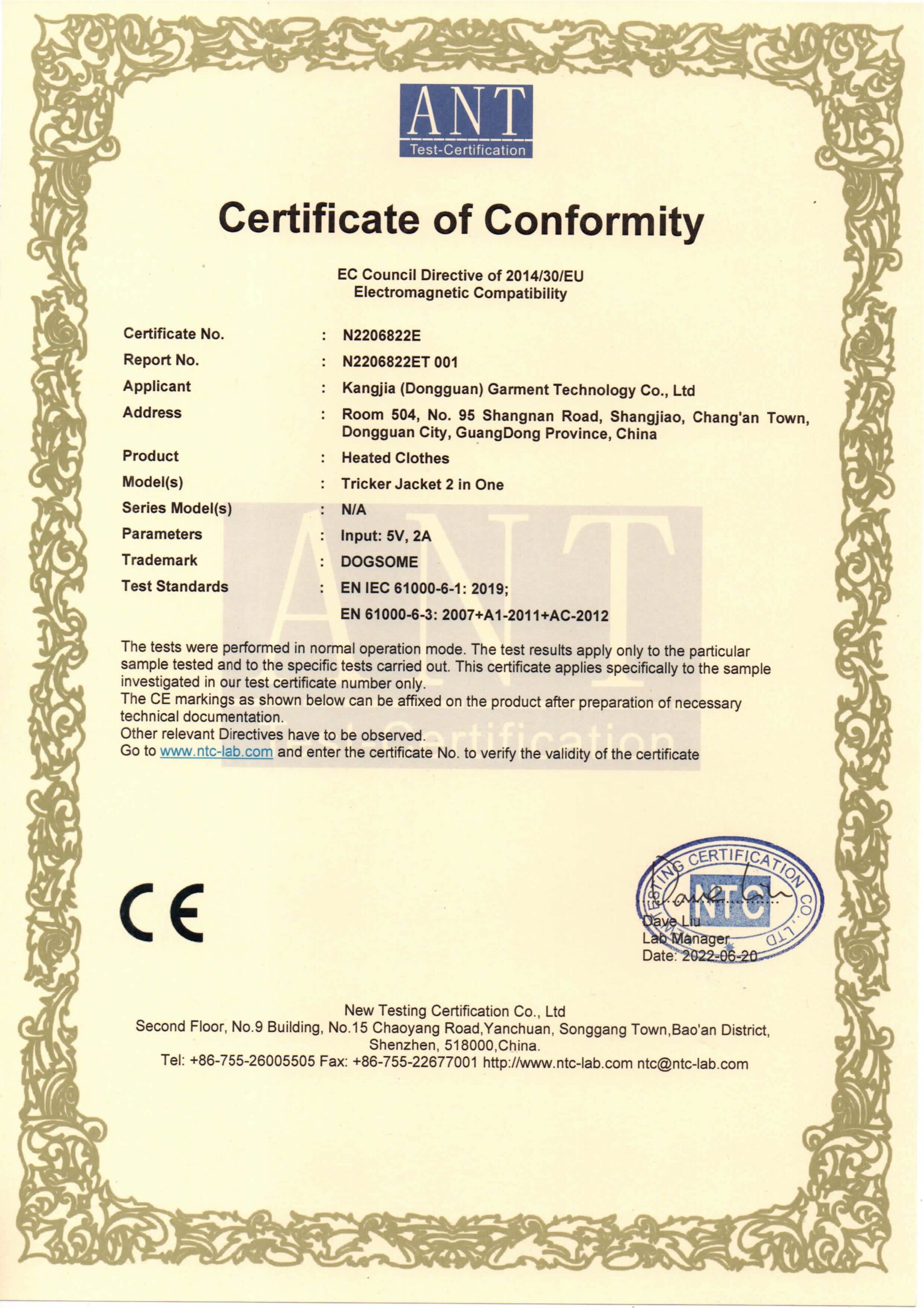
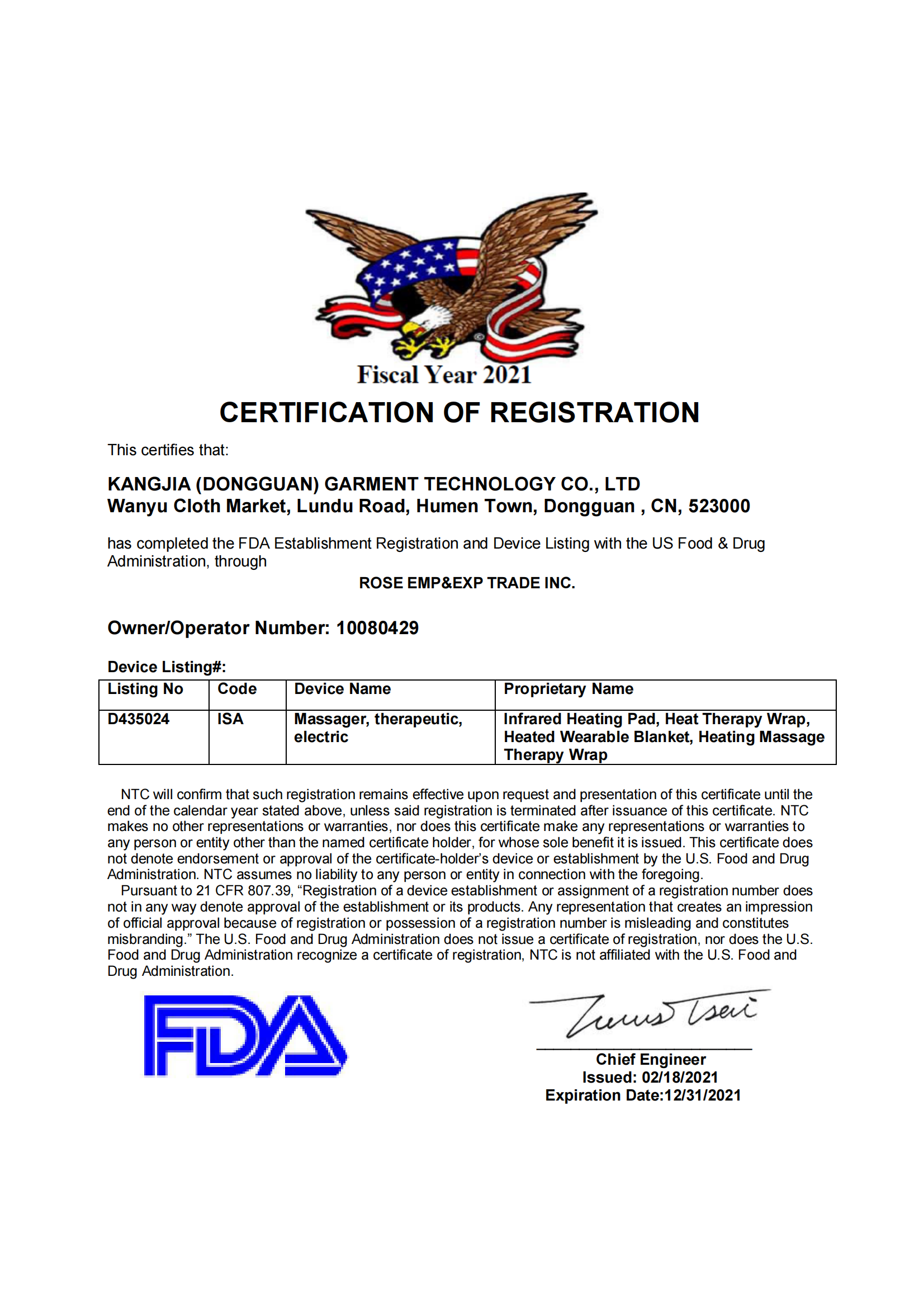
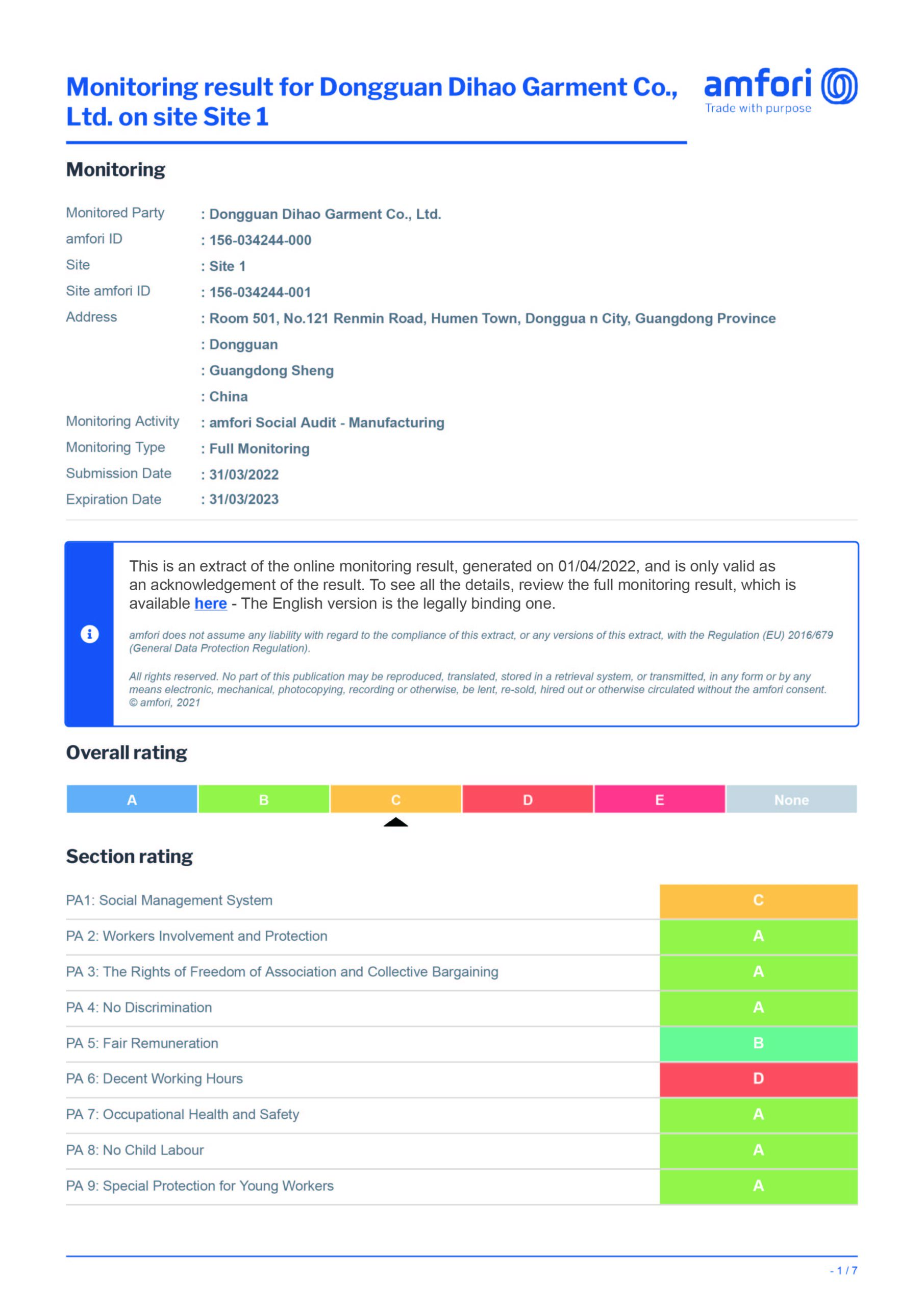
Our manufacturing operations adhere to global ethical, environmental, and quality compliance standards including BSCI and ISO standard factory certifications.
7. Frequently Asked Questions (FAQ) for Overseas Apparel Buyers
Addressing the most crucial technical and logistical questions asked by global procurement managers, brand founders, and sourcing agents during the apparel prototype development phase:
What is the average cost of apparel prototype development for a custom streetwear line?
How long does the garment prototype cycle take from tech pack to physical sample delivery?
What technical details must be included in a Tech Pack to avoid sample revisions?
How does SYKE Garment Co., Ltd. ensure fabric color accuracy and hand-feel match our requirements?
What is the difference between a Fit Sample, Proto Sample, and Pre-Production Sample (PPS)?
Can SYKE Garment Co., Ltd. develop prototypes if I only have reference garments or images without a tech pack?
How are intellectual property (IP) and original designs protected during prototyping?
What are the minimum order quantities (MOQ) once the prototype is approved?
8. Strategic Action Plan: How to Launch Your Prototype Project
To ensure a seamless, rapid Apparel Prototype Development experience with SYKE Garment Co., Ltd., follow this simple 4-step buyer preparation checklist:
- Consolidate Your Design Assets: Gather your Tech Packs, vector design files (AI, PDF, or EPS format), Pantone TCX color codes, and target size charts. If using physical reference samples, prepare express courier details.
- Define Target Fabric Specifications: Specify your preferred fabric composition (e.g., 100% Combed Cotton, Cotton-Poly blend, Nylon Ripstop) and target GSM weight (e.g., 280 GSM for t-shirts, 420 GSM for hoodies).
- Outline Custom Branding Requirements: Determine your neck label preferences (woven label, heat-transfer print), wash care tags, hangtag designs, and custom polybag details.
- Connect with Our Technical Engineers: Click the contact button below to initiate an immediate technical consultation with our senior sourcing managers. We will review your files and provide a comprehensive itemized quote within 24 hours.
Our Certifications & Factory Compliance
Trusted by global brands — backed by internationally recognized quality and compliance certifications.