SYKE Fashion Knowledge Hub

Apparel Manufacturing Blog & Insights

Guides, industry trends, tech pack tips, and custom streetwear manufacturing advice.

0%

Choosing Custom Oversized Hoodies can give your brand a stronger visual identity and a more comfortable customer experience. Their relaxed shape creates space for bold graphics, woven labels, sleeve prints, and subtle branding details. A heavy cotton blend can feel substantial, while brushed interiors add warmth without making the garment look careless. The right fabric, however, depends on climate, price point, and daily use.

Fit matters more than many brands expect. An oversized hoodie should feel intentional, not simply larger. Designers need to review shoulder width, sleeve length, hood structure, and hem tension through physical samples. A hoodie that looks balanced on a model may feel excessive on a shorter customer. That uncomfortable discovery is useful. It encourages better size grading and clearer product photography.

Reliable production also requires more than attractive mockups. Experienced suppliers should explain fabric weight, shrinkage, colorfastness, print durability, and stitching quality. Brands can request samples, compare measurements, and confirm production standards before placing larger orders. These steps reduce avoidable surprises and support trustworthy product descriptions.

Details build trust.

Custom Oversized Hoodies can support seasonal drops, staff apparel, music communities, and lifestyle collections. Yet customization should serve the brand’s purpose, not replace it. A clean chest logo may communicate more clearly than five competing graphics. When comfort, construction, and identity work together, the hoodie becomes more than promotional clothing. It becomes a recognizable piece customers choose to wear repeatedly. That repeated use is the real measure of value.
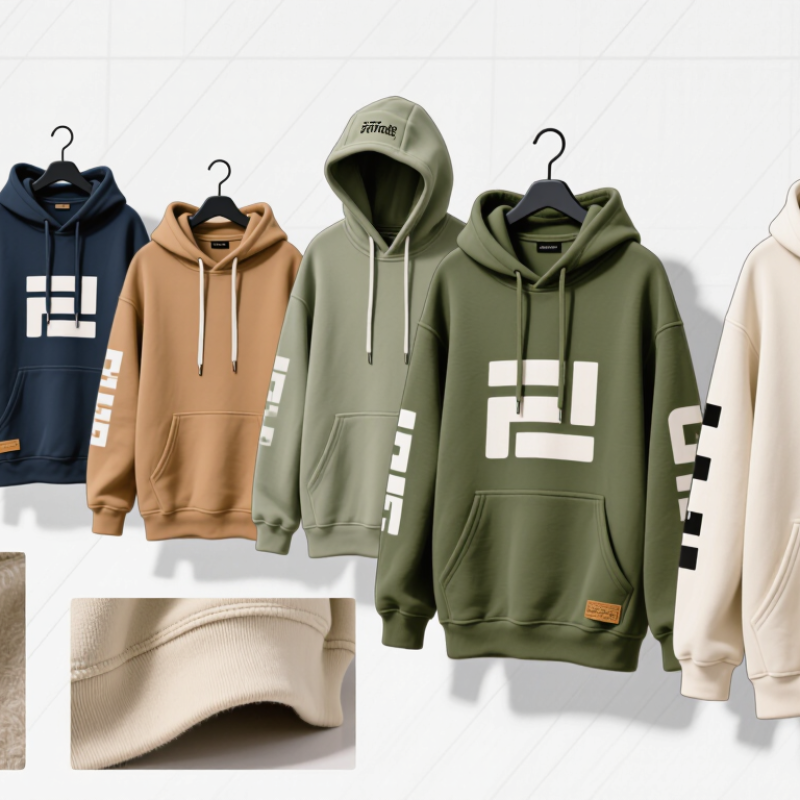
Why Choose Custom Oversized Hoodies for Your Brand?

Brand Opportunity: US$4.3B Custom T-Shirt Printing Market, 11.1% CAGR (GVR)

Why Choose Custom Oversized Hoodies for Your Brand?

Brand Opportunity: US$4.3B Custom T-Shirt Printing Market, 11.1% CAGR (GVR)

Grand View Research values the U.S. custom t-shirt printing market at US$4.3 billion and forecasts an 11.1% CAGR. This growth reflects accessible digital printing, short-run production, and demand for personal expression. Oversized hoodies extend this opportunity into cooler seasons. Their broader silhouette creates more space for memorable graphics.

In practice, oversized hoodies support back artwork, sleeve details, and small chest marks. A large back print can remain readable from a passing sidewalk. Soft fleece, reinforced seams, and stable cotton blends also encourage repeat wear. These details matter. A strong mock-up can fail after three washes. I have seen that happen. Color shifts, shrinking cuffs, and heavy ink may create unwanted inventory.

Use the forecast carefully. An 11.1% CAGR is not a sales guarantee. It is a planning signal. Test two fits, three colors, and limited quantities before scaling. Track returns, print durability, and reorder timing. Market data identifies potential, but customer feedback validates the product. Some oversized cuts feel comfortable on tall customers yet awkward on shorter frames. That gap needs honest measurements, not optimistic photography. A clear size chart and wash-tested sample can protect margins while pursuing this growing opportunity.

Personalization: 71% Expect It; 76% Feel Frustrated Without It (McKinsey)

Why Choose Custom Oversized Hoodies for Your Brand?

Personalization is becoming an expectation, not a decorative extra. McKinsey reports that 71% of consumers expect personalized experiences, while 76% feel frustrated without them. Custom oversized hoodies can answer that demand through fit, color, artwork, and placement choices. A relaxed cut feels different with dropped shoulders, heavier fabric, or a longer sleeve. Small details matter. A sleeve graphic can create movement. A woven label can make the garment feel considered. In production work, however, personalization must still respect comfort, sizing consistency, and wash durability.

Tips: Offer a focused range of options instead of endless choices. Let customers select colors, artwork positions, or initials. Test samples under natural light and after several washes. Keep a clear size chart nearby. Personalization should feel simple, not confusing.

A useful design process begins with audience feedback, not assumptions. Study which colors receive attention and which details are ignored. One audience may prefer subtle embroidery, while another wants bold back graphics. McKinsey’s figures show a strong pattern, but they do not represent every customer equally. That limitation deserves attention. Over-customization can also increase costs, production errors, and delivery time. A slightly imperfect sample may reveal more than a polished mockup. Use real fittings, honest reviews, and documented quality checks before expanding the collection.

Personalization is a strong consumer expectation: 71% of consumers expect personalized interactions, while 76% feel frustrated when companies do not provide them. For a custom oversized hoodie brand, personalization can support stronger relevance and customer satisfaction.

Source: McKinsey & Company, “The value of getting personalization right—or wrong—is multiplying.”

Materials: Polyester Held 54% of Global Fiber Output in 2022 (Textile Exchange)

Custom oversized hoodies need fabric that supports shape, comfort, and consistent production. Polyester deserves attention because it represented 54% of global fiber output in 2022, according to Textile Exchange. This figure shows its scale, not automatic sustainability. Polyester fibers are strong, lightweight, and resistant to shrinking. They also hold printed graphics well. For oversized silhouettes, that stability helps sleeves keep their relaxed drape after washing. A practical blend can improve softness, but it may change cost and performance.

Tips: Request fabric weight, fiber percentages, and recycled-content evidence. Test shrinkage, colorfastness, pilling, and seam strength before bulk production. Ask for wash samples. Small details matter.

Custom development also allows precise color matching, wider cuffs, deeper hoods, and adjusted sleeve volume. These details can make an oversized hoodie feel intentional rather than simply large. A reliable supplier should explain fiber sources, testing methods, and production limits clearly. Certifications can support credibility, but they should be checked against current documentation. Polyester can shed microfibers during washing, so care instructions and lower-shed fabric options deserve attention. The choice is not perfect. That matters. Teams should balance durability, comfort, environmental impact, and budget instead of chasing one attractive material claim.

Product Specifications: GSM, Fit, Fabric, and Decoration Options

Custom oversized hoodies give a brand more room to express its identity. The product feels considered when specifications match the intended customer and climate. GSM controls weight, warmth, drape, and perceived value. For a substantial streetwear shape, 360 to 450 GSM often works well. Lighter 280 to 340 GSM options suit layering and milder weather. However, heavier fabric can feel restrictive in warm retail spaces. That trade-off deserves honest testing.

Fit should be measured, not guessed from a standard size chart. Check chest width, body length, sleeve length, shoulder drop, and hood volume. A dropped shoulder creates the oversized profile, but excessive width may look untidy. Sampling teams should compare the hoodie on different body types. One sample can mislead. I recommend recording measurements after washing, because fleece may shrink unevenly. This step is often skipped when deadlines become tight. That is a practical weakness, not a minor detail.

Fabric selection changes comfort and decoration performance. Combed cotton offers a smooth hand feel, while cotton-polyester blends improve shape retention. Brushed fleece adds warmth; French terry provides a cleaner, lighter interior. Screen printing suits bold graphics and larger runs. Embroidery adds texture, but dense stitching can stiffen lightweight fabric. Direct-to-garment printing captures detail, yet it needs compatible surfaces and careful curing. Before production, request a pre-production sample, wash it, and inspect seams, color, and print adhesion. A small adjustment may prevent expensive rework.

Commercial Evaluation: MOQ, Unit Cost, Quality Control, and Lead Time

Why Choose Custom Oversized Hoodies for Your Brand?

Custom oversized hoodies can strengthen a product line, but commercial planning matters more than appearance.

Minimum order quantity is often the first pressure point. A factory may require 100 to 500 pieces per color. Smaller runs usually increase setup and material costs. Small orders cost more. Ask whether mixed sizes and colors are allowed within one MOQ. This detail can change the final investment considerably.

Unit cost should include fabric, printing, labels, packaging, sampling, and freight preparation.

A low quotation may exclude important charges. Compare costs at several quantities, such as 100, 300, and 1,000 pieces. I recommend requesting a written cost breakdown before approving production. Our early estimates were sometimes too optimistic. Extra revisions and packaging changes created avoidable expenses.

Quality control needs measurable checkpoints.

Confirm fabric weight, measurement tolerance, seam strength, shrinkage, color consistency, and print placement. A pre-production sample should be washed and measured, not merely photographed. Samples can disappoint. That is useful information, if found early. Lead time should include sampling, material sourcing, production, inspection, and rework. Lead time is fragile. A missing fabric color can delay cutting for several days. Build a buffer instead of promising an aggressive launch date. A reliable supplier should provide inspection records, realistic schedules, and clear responses when production changes.

FAQS

Why are oversized hoodies attractive for a custom clothing collection?

Their relaxed shape creates space for large back graphics, sleeve details, and chest marks. Soft fleece and reinforced seams can support repeat wear. A passing customer may notice a readable back print. Comfort still matters more than appearance.

Does market growth guarantee strong hoodie sales?

No. A U.S. custom apparel market estimate suggests strong opportunity and an 11.1% projected annual growth rate. That figure is a planning signal, not a sales promise. Test limited quantities before making larger commitments.

How should a business test a new oversized hoodie design?

Test two fits, three colors, and small quantities. Use real fittings with different body heights. Wash the samples several times. Track returns, shrinking, print changes, and reorder timing.

What personalization options are practical for oversized hoodies?

Offer focused choices, such as color, artwork placement, initials, or sleeve graphics. Too many options can confuse customers and increase errors. Keep a clear size chart nearby. Simple choices usually work better.

Why is sizing especially important for oversized hoodies?

A relaxed cut may suit taller customers but feel awkward on shorter frames. Measure chest width, body length, sleeve length, and shoulder drop. Show real garment measurements, not only model photographs. Some measurements may need revision.

What does minimum order quantity affect?

A supplier may require 100 to 500 pieces per color. Smaller orders often carry higher setup and material costs. Ask whether sizes and colors can share one minimum order. This detail can change the investment significantly.

Which costs should be included in the unit price?

Include fabric, printing, labels, packaging, samples, and freight preparation. Compare quantities such as 100, 300, and 1,000 pieces. Request a written breakdown. Early estimates can be too optimistic.

How can production quality be checked before delivery?

Confirm fabric weight, measurements, seam strength, shrinkage, color consistency, and print placement. Wash and measure the pre-production sample. Do not rely on photographs alone. Samples sometimes disappoint. Finding that early is useful.

How should a business plan hoodie lead time?

Include sampling, material sourcing, production, inspection, and possible rework. A missing fabric color can delay cutting for several days. Add a practical buffer before announcing a launch date. Fast schedules often look better than they perform.

Conclusion

Custom Oversized Hoodies offer a strong opportunity for brands seeking comfort, style, and personalized apparel. The custom T-shirt printing market in the United States is valued at approximately US$4.3 billion and is projected to grow at an 11.1% CAGR, highlighting strong commercial potential. Consumer demand for personalization is also significant, with 71% of people expecting customized experiences and 76% feeling frustrated when personalization is unavailable. These trends make distinctive, made-to-order hoodies an appealing product category.

Successful development requires careful attention to materials and specifications. Polyester accounted for 54% of global fiber output in 2022, but fabric selection should also consider softness, durability, breathability, and sustainability goals. Key decisions include GSM, oversized fit, fabric composition, and decoration methods such as screen printing, embroidery, or digital printing. From a commercial perspective, brands should evaluate MOQ, unit cost, quality control procedures, and lead time to ensure consistent production, reliable delivery, and healthy profit margins.
Ethan

Ethan

Ethan is a dedicated marketing professional with a deep understanding of our company’s core offerings and strengths. With a passion for articulating complex ideas in an accessible manner, he frequently updates our professional blog, ensuring that our audience stays informed about the latest......