SYKE Fashion Knowledge Hub

Apparel Manufacturing Blog & Insights

Guides, industry trends, tech pack tips, and custom streetwear manufacturing advice.

0%

In the competitive world of fashion, choosing the right supplier is crucial. An OEM Streetwear Factory plays a pivotal role in bringing unique designs to life. Understanding these factories can significantly impact success in the streetwear market.

China is home to numerous OEM Streetwear Factories. They offer diverse styles and high-quality materials. However, not all factories deliver the same standards. Buyers must thoroughly evaluate partnerships before committing. Sourcing from reliable manufacturers ensures product quality and timely deliveries.

Navigating through various options can be overwhelming. Many factories promise exceptional service but fail to meet expectations. It’s important to conduct detailed research and seek recommendations. Buyers need to remain vigilant and reflective when selecting their OEM Streetwear Factory. Quality, creativity, and trustworthiness should be the top priorities.
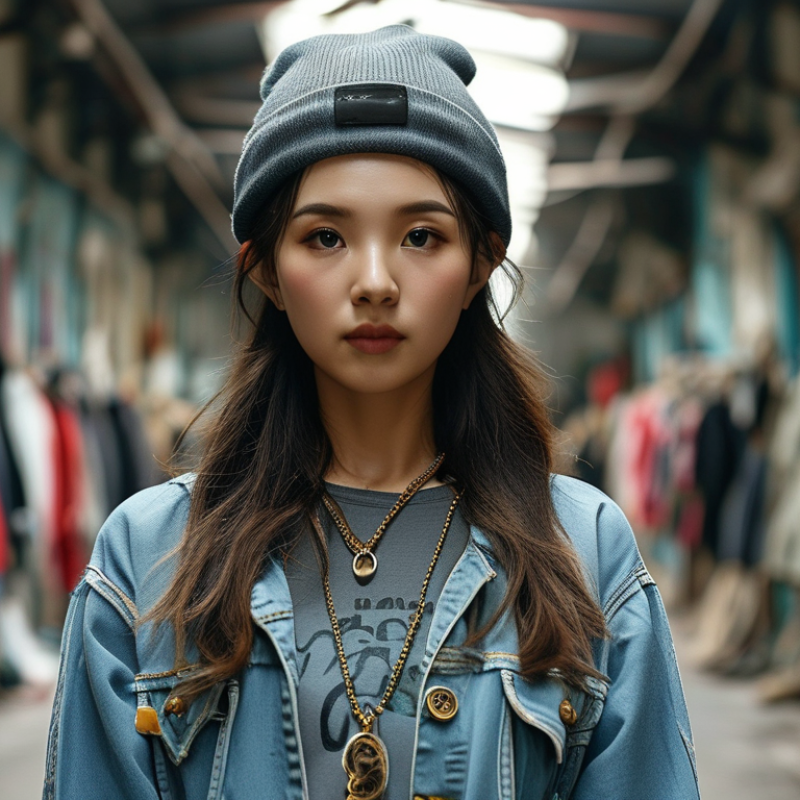
Top 10 OEM Streetwear Factories in China for Global Buyers?

The Rise of OEM Streetwear in China's Apparel Industry

The rise of OEM streetwear in China's apparel industry has captured global attention. According to recent reports, the OEM garment sector in China is projected to reach over $100 billion by 2025. This growth highlights the increasing demand for customizable apparel options that cater to the evolving tastes of consumers.

China's OEM streetwear factories are known for their advanced manufacturing capabilities. Many of these facilities embrace sustainable practices, responding to the growing consumer preference for eco-friendly products. However, challenges persist. Not all factories uphold consistent quality control, which can lead to discrepancies in production. Buyers must invest time in thorough vetting to ensure they partner with reliable manufacturers.

Furthermore, while innovation fuels growth, it brings its own set of challenges. The fast fashion model, a key driver for many OEMs, raises concerns about waste and environmental impact. An estimated 92 million tons of textile waste is generated annually, prompting calls for responsibility in production processes. The rise of OEM streetwear is an opportunity, but stakeholders must consider sustainability for long-term success.

Key Factors Driving the Demand for OEM Streetwear Factories

The demand for OEM streetwear factories has significantly increased. This surge is driven by the rise of fast fashion and unique styles. Consumers seek fresh designs that reflect their personal identity. OEM factories offer flexibility, allowing brands to create custom products quickly. This adaptability is vital in the ever-changing fashion landscape.

Sustainability is another key factor impacting demand. More brands are prioritizing eco-friendly practices. OEM factories play a crucial role by sourcing sustainable materials. Many are transitioning to responsible production methods. This shift aligns with consumer preferences for environmentally friendly options. Yet, there is a challenge in balancing cost and sustainability. Brands must navigate this complexity while maintaining quality.

Furthermore, technology enhances production efficiency. Automation and digital design tools streamline the manufacturing process. This advancement reduces lead times and errors. However, some factories struggle to keep up with technological changes. Keeping pace is essential for success in a competitive market. Brands benefit from working with factories that embrace innovation and maintain quality control.

Top 10 OEM Streetwear Factories in China

Top Manufacturing Regions in China for Streetwear Production

China has become the epicenter for streetwear production, boasting multiple regions specializing in this trendy sector. The Guangzhou region leads the way, with a high concentration of manufacturers and suppliers. According to recent industry reports, it accounts for over 25% of China’s textile production, indicating robust infrastructure. This area is known for rapid prototyping and flexibility in manufacturing. It attracts global buyers seeking quality designs and quick turnaround times. With a dense network of fabric suppliers nearby, the sourcing process is efficient and cost-effective.

Another prominent region is Zhejiang, famous for its innovative garment technologies. Production speeds here can outpace competitors, often completing orders within two weeks. This is crucial for brands relying on fast fashion cycles. Data shows that the export value of textiles from Zhejiang reached $12 billion last year, highlighting its pivotal role in the streetwear market. However, while these regions excel in manufacturing, challenges such as consistent material quality and environmental compliance still require attention. Buyers must remain vigilant in their partnerships, ensuring reliability without compromising on standards.

Additionally, the rise of social media has driven demand for unique styles, compelling manufacturers in these regions to adapt quickly. The blend of creativity and technology presents opportunities but also challenges in maintaining brand identity. Overall, the evolution of streetwear production in China is a testament to its dynamic manufacturing landscape. There remains an ongoing need for quality control and ethical practices in the pursuit of fashion innovation.

Evaluating Quality Standards and Certifications in OEM Factories

When selecting an OEM streetwear factory in China, evaluating quality standards is essential. Many factories claim to meet certain certifications, but verifying these claims can be challenging. A factory may boast its ISO certification, yet the actual production quality may not align with that standard. It is crucial to perform due diligence to ensure that the factory's practices genuinely reflect their certifications.

Consider visiting the factory personally or hiring a third-party inspection service. This can provide a clearer picture of the factory's operations. Look for signs of quality control processes, such as routine inspections and audits. Engaging with factory staff can also offer insights into their commitment to quality.

It's beneficial to inquire about material sourcing and production methods. Factories with sustainable practices often maintain higher quality standards. Inspect sample products meticulously, focusing on stitching, fabric quality, and overall finish. Many buyers overlook these details, leading to dissatisfaction later.

Evaluate factories based on their history and client feedback. A factory with a solid reputation is more likely to meet your expectations. Keep an eye on communication with your factory and trust your instincts. If something feels off during discussions, it’s worth reflecting on whether this partnership is the right choice. Trust your insights and seek clarity before making commitments.

Top 10 OEM Streetwear Factories in China for Global Buyers

Factory Location Production Capacity (Units/Month) Quality Certifications Lead Time (Days) Minimum Order Quantity
Guangdong 50,000 ISO 9001, OEKO-TEX 30 300
Fujian 70,000 BSCI, WRAP 25 500
Zhejiang 60,000 ISO 14001, GRS 35 400
Jiangsu 40,000 OEKO-TEX, GOTS 28 300
Shandong 55,000 ISO 9001, BSCI 30 200
Shanghai 80,000 ISO 14001, WRAP 15 100
Beijing 30,000 BSCI, OEKO-TEX 20 600
Sichuan 45,000 ISO 9001, GOTS 30 250
Tianjin 35,000 WRAP, GRS 22 450
Anhui 50,000 ISO 14001, OEKO-TEX 25 350

Market Trends and Consumer Preferences Shaping OEM Streetwear Collaborations

The streetwear market has been evolving rapidly, driven by changing consumer preferences and emerging market trends. Buyers are seeking unique designs that reflect individual identity and cultural influences. This demand has led to a surge in OEM collaborations, where manufacturers partner closely with designers. These collaborations often blend creativity with production expertise, offering customers distinct products that stand out in a crowded marketplace.

Sustainability is another vital trend shaping the OEM streetwear scene in China. Consumers today prioritize eco-friendly materials and ethical production practices. Factories focused on these principles attract brands looking to appeal to the environmentally conscious customer. However, not all factories fully comply with sustainable practices. Some may claim to be eco-friendly while lacking transparency in their supply chains. It highlights the need for buyers to conduct thorough research and vet their OEM partners carefully.

Another trending element is the rise of digital platforms for marketing and sales. Social media influences consumer choices significantly. This dynamic prompts factories to adapt quickly to trends and consumer feedback. Brands that cannot keep pace often fall behind. Yet, adapting swiftly also poses challenges for OEMs. They must balance speed and quality while maintaining their core values. As trends continue to shift, collaboration and innovation remain essential for success in the evolving streetwear landscape.

FAQS

: What factors are driving the demand for OEM streetwear factories?

: The main factors are fast fashion trends and the desire for unique styles. Consumers want fresh designs that express their identity.

How does sustainability influence OEM factories?

Many brands focus on eco-friendly practices. OEM factories source sustainable materials and adapt their production methods.

Are there challenges related to sustainability for brands?

Yes, balancing cost with sustainability is difficult. Brands need to maintain quality while navigating these complexities.

How does technology affect streetwear production?

Technology boosts efficiency in manufacturing. Automation and digital tools help reduce lead times and errors.

Do all factories keep pace with technological changes?

Some struggle to adapt. Staying updated with innovations is crucial for success in the market.

Which region in China is known for streetwear production?

The Guangzhou region leads in manufacturing. It has a high concentration of suppliers and quick prototyping abilities.

What is notable about the Zhejiang region?

Zhejiang is known for innovative garment technologies, completing orders rapidly. This speed is vital for fast fashion brands.

Are there ongoing challenges in these manufacturing regions?

Yes, issues like material quality and environmental compliance persist. Buyers need to ensure reliability in partnerships.

How has social media impacted streetwear demand?

Social media drives demand for unique styles, pushing manufacturers to adapt quickly and creatively.

Is there a need for quality control in streetwear production?

Absolutely. Quality control and ethical practices are essential in the evolving landscape of streetwear.

Conclusion

The article explores the burgeoning sector of OEM streetwear factories in China, highlighting their pivotal role in the global apparel industry. With the rise of streetwear culture, there has been an increasing demand for OEM streetwear factories that can provide high-quality, trendy products. Key factors driving this demand include consumer preferences for unique and personalized styles, alongside the need for efficient production capabilities.

The article also delves into the top manufacturing regions in China that specialize in streetwear production, emphasizing the importance of quality standards and certifications in ensuring that these factories meet international expectations. Furthermore, it examines market trends and consumer preferences that are shaping collaborations within the OEM streetwear space, ultimately underscoring the significance of these factories in catering to the evolving tastes of global buyers.

Liam

Liam

Liam is a dedicated marketing professional with a profound expertise in our company's innovative product lineup. With years of experience in the industry, he possesses a comprehensive understanding of market trends and consumer behavior, enabling him to craft compelling marketing strategies that......