Apparel Manufacturing Blog & Insights
Guides, industry trends, tech pack tips, and custom streetwear manufacturing advice.
10 Tips for Buying Custom Boxy Fit Tees
Table of Contents
Custom Boxy Fit Tees look simple, but small details can change how they feel and fall. A dropped shoulder, wide chest, or short hem may suit one person and overwhelm another. Fit is personal. The best choice depends on your measurements, preferred layers, and the silhouette you want—not just the size printed on a label.
Before ordering, compare the garment’s measurements with a tee you already like. Check the chest width, body length, sleeve opening, and shoulder seam. Fabric weight matters too: a heavier cotton jersey may hold a crisp shape, while a lighter blend can drape more softly. Product photos offer clues, but they cannot show every fabric or fit accurately. Details matter. Look for close-up images, fabric descriptions, care instructions, and a clear return policy. For custom orders, confirm artwork placement, print dimensions, and available size options before approving a design.
These ten tips will help you assess quality and avoid common buying regrets, from choosing the wrong size to overlooking shrinkage or print durability. No single measurement guarantees a perfect fit, and size charts can vary between makers. That part is easy to forget. Take a moment to check the seller’s specifications and ask questions when key details are missing. A little research can make your custom tee feel considered, comfortable, and genuinely yours.
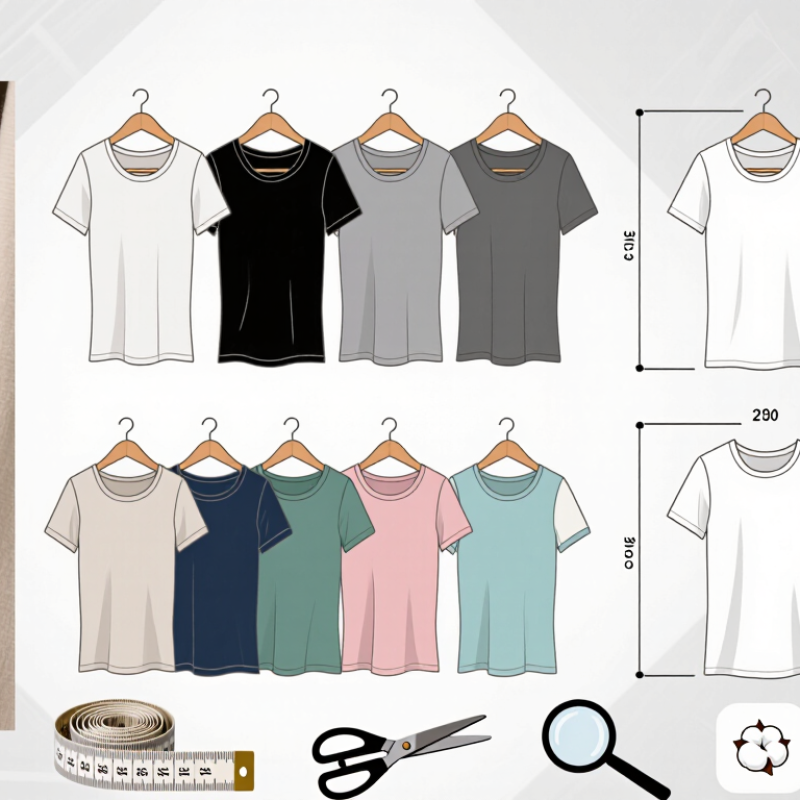
Understand the Shape and Construction of a Boxy Fit Tee
A boxy-fit tee has a broad, relatively straight body and a shorter length than many standard T-shirts. Its side seams usually fall with little taper, creating a square outline rather than a close waist shape. Think wide, not simply oversized. Fit is dimensional.
Check the shoulder seam and sleeve shape, too. A dropped shoulder places the seam below your natural shoulder point, while a roomy sleeve adds width around the upper arm. These details affect how the shirt hangs. A wide body with narrow sleeves can feel unbalanced, even when the chest measurement looks generous. The neckline also matters: a firm ribbed collar tends to keep its shape, while loose stitching may ripple after washing.
Compare the garment’s actual measurements with a tee you already like. Measure across the chest, from shoulder to shoulder, and from the collar to the hem. A short body can work well with high-waisted trousers, but it may feel too cropped when you reach overhead. Fabric weight and construction change the drape; heavier cotton often holds a crisp outline, while lighter jersey may cling or twist. Sizing charts are not perfect. Allow for possible shrinkage, and check the care instructions before choosing a size. A slightly imperfect fit can still look intentional, but the shoulder and hem should feel considered.
Understand the Shape of a Boxy Fit Tee
Example garment measurements for a size M, compared with a regular-fit tee. A boxy cut is typically wider through the body, slightly shorter, and broader across the shoulders. Measurements are in centimeters; actual custom specifications vary by design.
Choose Fabric, Weight, and Texture for Your Needs
A boxy silhouette depends on fabric as much as width. A soft, light jersey can fall close to the body, while a denser knit holds its shape at the shoulders and sleeves. For an everyday tee, consider roughly 180–220 GSM; for a squarer, more structured look, try 230–260 GSM. These are practical starting points, not universal rules. The same weight can feel different when the yarn, knit, or finish changes.
Check the fiber label, but treat it as only part of the decision. Textile Exchange’s Materials Market Report 2024 estimates that global fiber production reached 124 million tonnes in 2023, with polyester accounting for 57 percent. That scale makes fiber content useful context, but it cannot tell you whether a particular tee feels smooth, dry, or clingy. Cotton often feels familiar and breathable; blended yarns may add stretch or help the fabric keep its shape. Touch the surface, then check how it hangs.
Texture matters against skin and under a jacket. A compact, smooth knit gives a cleaner outline; a slub or brushed surface looks more casual and may catch lint. Feel the difference. If shopping in person, pinch the fabric and let it drop: does it spring back, or stay creased? Online, compare GSM, fiber content, and close-up photos, while remembering that lighting can mislead. I still find weight charts imperfect. Use them to narrow choices, then judge the fabric by the way you plan to wear it.
Measure Your Body and Compare Garment Dimensions
A boxy tee should feel roomy without swallowing your frame. Measure your chest around its fullest point, keeping the tape level and comfortably snug. Then measure shoulder width from one shoulder edge to the other, and check your preferred shirt length from the top of the shoulder to the hem. Write each number down. Guessing is surprisingly easy.
Now compare those measurements with a tee’s garment dimensions, not just its size label. A flat chest measurement usually runs from one underarm seam to the other, so double it before comparing it with your body circumference. That extra room is called ease; boxy cuts often have more of it through the chest and sleeves. Small differences matter. I learned that late. A shirt with a wide chest can still feel too short, so compare body length and shoulder width separately. If you already own a tee with the shape you like, lay it flat on a table and measure it the same way. Check whether the listing gives flat or full-circumference measurements, since that detail can be easy to miss. Fabric may also change after washing, especially if care instructions are ignored. My own first measurements were a little crooked, so repeat them rather than trusting one quick pass.
10 Tips for Buying Custom Boxy Fit Tees - Measure Your Body and Compare Garment Dimensions
| # | Tip | What to Measure or Check | Practical Example | How to Use It |
|---|---|---|---|---|
| 1 | Measure your chest accurately | Wrap a flexible tape around the fullest part of your chest, keeping it level and comfortably snug. | A body chest measurement of 42 in (107 cm) is a useful starting point for comparing size charts. | Use the measurement in the seller’s size guide; do not assume your usual size will fit the same way. |
| 2 | Measure a tee you already like | Lay the tee flat and measure straight across from one underarm seam to the other. | A flat chest width of 24 in (61 cm) is approximately a 48 in (122 cm) garment circumference. | Compare this measurement with the custom tee’s listed width, rather than comparing only size labels. |
| 3 | Check the intended chest ease | Compare your body chest circumference with the garment’s approximate chest circumference. | For a 42 in (107 cm) body chest, a 48 in (122 cm) garment chest gives about 6 in (15 cm) of ease. | More ease generally creates a roomier look. The preferred amount depends on the fabric and the fit you want. |
| 4 | Compare shoulder width | Measure across the back from shoulder seam to shoulder seam on a tee that fits the way you prefer. | A 20 in (51 cm) shoulder width on a sample garment can help you compare proportions across size charts. | Boxy tees often have wider shoulders, but shoulder construction varies; check where the seams sit on your body. |
| 5 | Check garment length | Measure from the highest point of the shoulder beside the collar to the bottom hem. | A 27 in (69 cm) body length may feel cropped on one person and regular length on another. | Compare it with a tee you own and consider your torso length and preferred hem position. |
| 6 | Review sleeve measurements | Check sleeve length from the shoulder seam to the sleeve opening, plus the sleeve opening width. | A 9 in (23 cm) sleeve measured from the shoulder seam may sit differently depending on shoulder width. | Use both measurements to judge coverage and room; a wider shoulder can make sleeves appear longer. |
| 7 | Look for measurement tolerances | Read the product details for the stated allowance between listed and finished garment measurements. | A listed tolerance of ±0.5 in (±1.3 cm) means an individual garment may measure slightly above or below the chart. | Allow for this variation when choosing a close fit, especially around chest width and length. |
| 8 | Account for fabric shrinkage | Check the care instructions and whether the fabric has been pre-shrunk or garment-washed. | Cotton garments can change size during washing; the amount depends on fabric, construction, and care conditions. | Use the seller’s shrinkage guidance when available, and follow the care label to help maintain the fit. |
| 9 | Check measurement units and method | Confirm whether dimensions are listed in inches or centimetres and whether width is measured flat. | 24 in is about 61 cm; a flat width of 24 in is not the same as a 24 in chest circumference. | Convert units carefully and compare like with like. Flat garment width is approximately half the circumference. |
| 10 | Confirm custom-order details before purchase | Review the final size, measurement chart, alteration options, and return or remake terms. | Keep a written record of the selected chest width, body length, shoulder width, and sleeve measurements. | Check the order summary before submitting; custom-made items may have different return terms from standard sizes. |
Example measurements are for comparison only. Fit varies by pattern, fabric, construction, and measurement method; use the specific garment’s size chart and stated tolerances.
Evaluate Customization Options, Printing, and Color
For a custom boxy fit tee, check how much of the design can change before comparing prices. Ask for a size chart with garment measurements, not just standard sizing labels. A wider body can still have short sleeves or a cropped length, so confirm each detail. Request a sample or clear photos of a finished shirt. Small differences show.
Printing method affects both texture and appearance. Screen printing often suits simple designs ordered in larger quantities, while direct-to-garment printing can handle fine lines and several colors. Ask how the print feels after washing and whether the artwork needs adjustment for the fabric. A tiny line may disappear on a textured cotton surface. I once focused on the preview and missed how close the artwork sat to the collar. That was my mistake.
Color needs a real-world check. Screens can make a muted sage look brighter than it appears on fabric, and the shirt color may shift the ink’s appearance. Request a physical swatch when the exact shade matters. Compare it near a window, not only under warm indoor lights. Not always convenient. Still, it can prevent a costly mismatch. Decide whether you prefer strong contrast or a softer, tonal look, then confirm the garment and print colors together.
Check Sizing, Quality, Pricing, and Seller Policies
A boxy tee should feel roomy without hanging like a square. Measure a shirt you already enjoy, laid flat, and compare its chest width and body length with the seller’s chart. Check sizing carefully. Shoulder width matters too; a dropped seam can look intentional, while an overly wide one may feel awkward. Compare the size chart, not just the letter on the label. Charts vary.
Check fabric details before ordering. A heavier cotton jersey often holds a boxy shape better, but weight alone does not guarantee softness or durability. Look for close, even stitching around the collar and hems. Ask whether the fabric may shrink, and follow its care instructions. A sample can reveal more than photos. Still, one sample may not show how every batch will feel.
Compare the full price, including setup fees, shipping, and any minimum order quantity. Ask for a written breakdown. Check seller policies for sample costs, production timelines, return limits, and how defects are handled. Custom items may have different return terms, so read the exact wording before paying. Request a digital proof and confirm the size, color, and print placement. A detail can be easy to miss. Keep the approved proof and order terms for reference.
FAQS
It has a broad, straight body and a shorter length than many standard tees. Think wide, not simply oversized.
Compare chest, shoulder-to-shoulder, and collar-to-hem measurements with a tee you already like. A broad body with narrow sleeves may feel unbalanced.
A dropped shoulder seam sits below your natural shoulder point. Roomy sleeves add space around the upper arm and affect how the shirt hangs.
It can pair neatly with high-waisted trousers, but may feel cropped when you reach overhead. I once overlooked that movement test.
Heavier cotton often keeps a crisp outline, while lighter jersey may cling or twist. Check care instructions and allow for possible shrinkage.
Ask for garment measurements, including body width, sleeve length, and total length. Request a sample or clear photos. Small differences show.
Screen printing often suits simple designs ordered in larger quantities. Direct-to-garment printing can handle fine lines and several colors, though tiny details may disappear on textured cotton.
Request a physical swatch if the exact shade matters, then compare it near a window. Screens can make muted sage appear brighter. Not always convenient.
Conclusion
Buying Custom Boxy Fit Tees starts with understanding their defining shape: a relaxed, roomy silhouette with a straighter cut and carefully considered proportions. Look closely at details such as shoulder placement, sleeve length, neckline, and hem, since construction can affect both comfort and the overall look. Choose fabric based on how you plan to wear the tee, considering softness, breathability, weight, and texture.
Before ordering, measure your body and compare those measurements with the garment’s dimensions rather than relying only on your usual size. Review available colors and customization methods, and consider how your design may appear on the chosen fabric. Finally, check sizing guidance, product quality details, pricing, production timelines, and seller policies for returns or exchanges. Comparing these factors can help you choose a tee that fits your preferences and expectations.
Blog Tags: